STUDY AND DESIGN FOR LUBRICATION OIL WASTE MANAGEMENT IN NIGERIA – A CASE STUDY OF SOUTH-SOUTH ZONE (COMPLETED)
Home
Project Details
AIM & OBJECTIVES
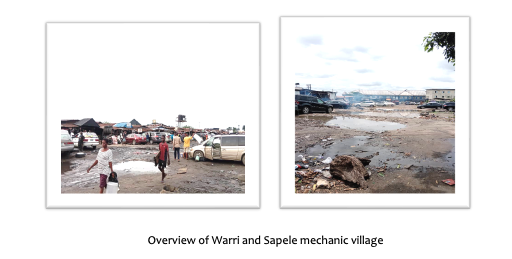
This research aims to determine the level of pollution in underground water and soil caused by the indiscriminate disposal of waste lube oil by automobile mechanic workshops in Delta State, Nigeria.
The specific objectives of the study are to determine:
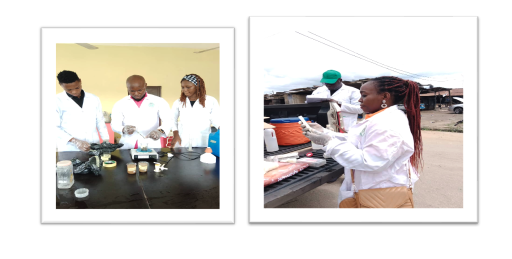
The physicochemical properties of the soils and underground water from designated locations.
The heavy metal concentrations and other pollutants in soils and underground water collected from designated locations or areas of interest.
Concentration range/level of polycyclic aromatic hydrocarbon (PAH) and total petroleum hydrocarbon (TPH) across the studied
Determine the potential of a sustainable waste lube oil management system.
Water quality index (WQI) and Human health risk associated with the consumption of the water.
Generate a data bank on the physicochemical parameters of soil and ground water samples collected in automobile workshops.
FINDINGS/CONCLUSION
It is a fact that used lubricating oil is toxic and harmful, and its deposition and reuse in an environmentally unsustainable manner has serious environmental footprints. The desire to build a sustainable environment for posterity birth this study to assess the environmental and health impacts and existing management of vehicular used lubricating oil (also known as waste lube oil). The results from the laboratory analysis, data analytical tools and statistical tools reveal a high level of physicochemical properties and heavy metals contents in soil and groundwater samples depleting the nutrients of the soil and making the borehole water unsafe for consumption. The TPH analysis results indicate a concerning level of groundwater contamination in the sample locations, with SAPGW1 showing the highest level of organic pollutants. The presence of high TPH concentrations in the soil samples from the automobile workshops in Delta State especially WARS2 highlights a significant environmental and public health issue. The PAH concentrations obtained from water in this study were between the range of 92.79203 – 2746,91482 µg/L which is above the WHO drinking water standard (0.2 µg/L). The PAHs in the soil samples collected had the range of 1524.26899 – 2746.91482 µg/kg which is also far above the WHO standards for soil (0.0002 µg/kg) leading to pollution of the environment. Immediate remediation, either through bioremediation or thermal desorption, is essential to reduce the risk of carcinogenic exposure to the local population and to restore the quality of the soil. Given the health risks associated with petroleum hydrocarbons as a result of its seepage into underground water, urgent measures, including regular water quality monitoring and possible treatment, are necessary to ensure the safety of water for human consumption and domestic use. This is consistent with findings from other regions, reinforcing the need for better pollution control in industrial and automobile workshop areas. The study concluded that unstainable disposal of vehicular-used lubricating oil leaves a footprint in the environment.