2022 CAPITAL PROJECT: ASSESSMENT OF BIO-FERTILIZER POTENTIAL OF LIQUID DIGESTATE FROM NCEE PLOT ANAEROBIC BIOGAS PLANT AT THE UNIVERSITY OF BENIN.
Home
Project Details
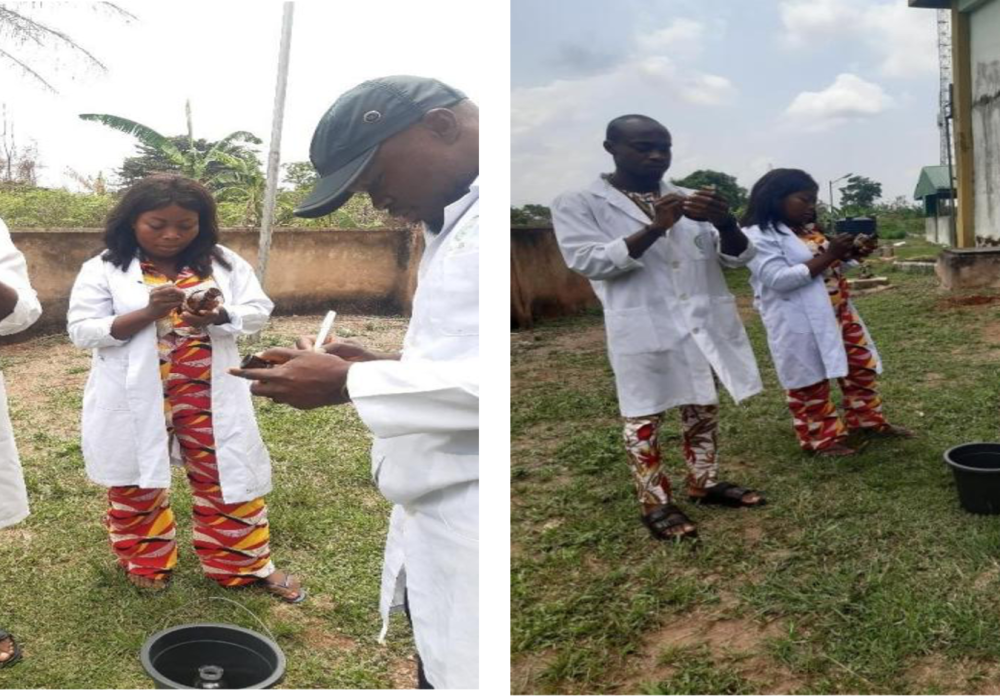
Labelling of sampling bottles by Technical Team of NCEE, Benin
AIM
The aim of the study is to investigate smallholder farmer’s perception and awareness of the public health effects of pesticide usage in selected agarian communities in Edo state.
OBJECTIVIES
1.To assess the level of awareness and perceptions among smallholder farmers about the health risk associated with pesticide usage.
To examine how smallholder farmer’s perceptions of pesticide-related health risks influence their usage practices.
To identify factors influencing smallholder farmer awareness and perceptions of pesticides-related health risks.
To explore the relationship between pesticides usage practices and public health outcomes in the study area.
PROJECT OUTCOME
This project examined the smallholder farmers’ perception and awareness of public health effects of pesticide use in Edo Central, Nigeria. Data from 400 farmers were collected through questionnaires. Results revealed that most farmers relied on fellow farmers for information on pesticides (65.3%) rather than trained extension services (7.3%). Moderate toxic pesticides (WHO Class II) were commonly used, with a few cases of highly toxic pesticides (WHO Ib). Affordability (53.3%) and efficacy (41.8%) were the main factors driving pesticide purchases. The majority of farmers (63.9%) did not read pesticide labels before use, especially those with no formal education (77.2%) or basic education (57.8%) and those with less than 5 years of experience (54.6%). Reasons for not reading labels included reliance on success stories of other farmers (30.3%) and lack of clarity on labels (23.5%). Pesticides were often stored inside homes (43.3%), and used cans were disposed of with household waste (37%). Overall, farmers demonstrated a moderate level of awareness regarding public health effects of pesticide use. The relationship between farmers’ awareness level of public health effects of pesticides use and socio-economic variables shows that level of awareness is not dependent on age (ρ>0.05, d=0.35), educational background (ρ>0.05, d=0.27) and years of farming experience (ρ>0.05, d=0.41). The study highlights the importance of training farmers on safe and proper pesticide use to reduce risks to human health.
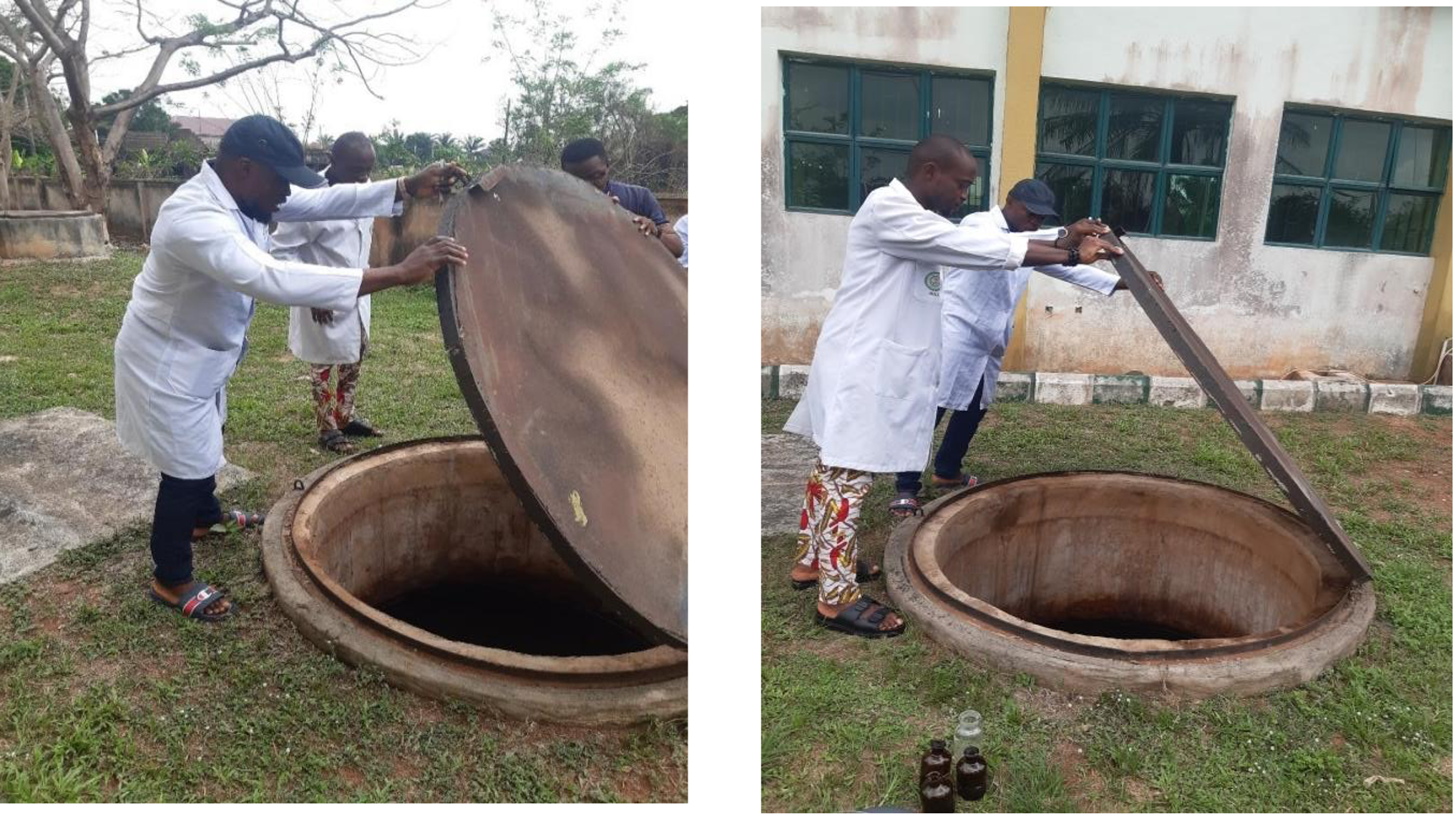
Opening of Feedstock charging point located at NCEE, Benin